
Adult Product Compliance Explained: Key Import and Export Requirements by Market
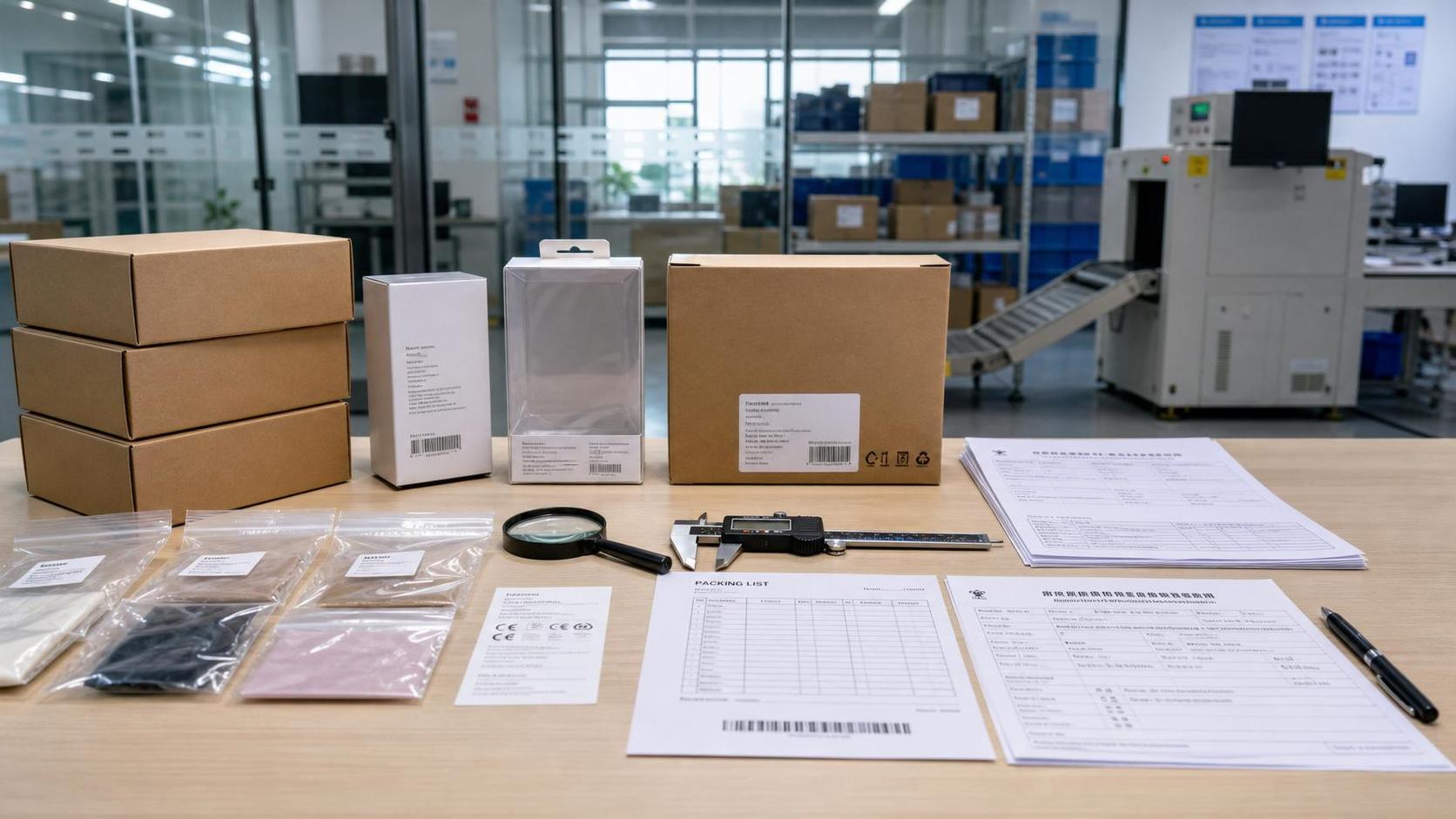
Why does adult product compliance become a shipment issue so quickly?
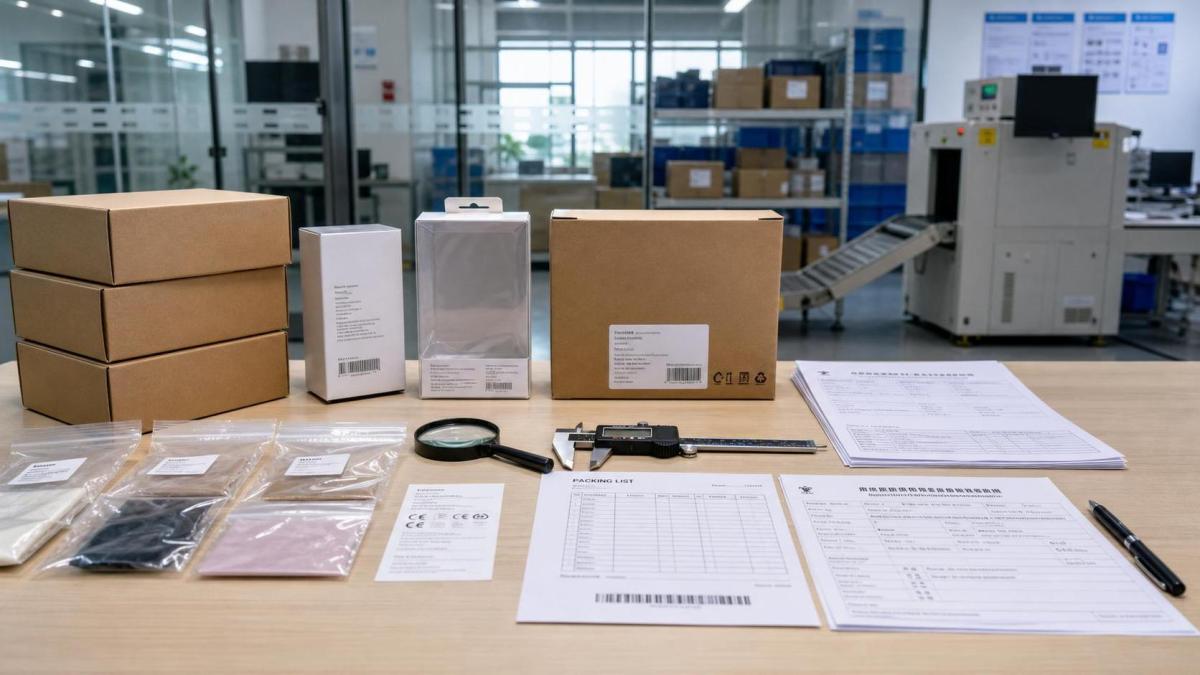
Adult product compliance affects more than product legality. It shapes customs clearance speed, listing approval, retailer acceptance, and the risk of goods being held at the border.
That is especially true for intimate products made from silicone, TPE, PVC, textiles, adhesives, batteries, or electronic components. Different materials trigger different regulatory checks.
In practice, the problem is rarely one missing document alone. More often, delays come from a mismatch between product design, declared use, labeling, and local import rules.
For example, a realistic doll, an inflatable product, and a vibrating accessory may fall under different review paths, even when shipped in the same container.
Adult product compliance also changes by market. North America may focus heavily on labeling and chemical safety. Europe usually requires closer attention to material restrictions and documentation consistency.
Southeast Asia, the Middle East, and parts of South America may add stricter content controls, import licensing limits, or category-specific restrictions that go beyond technical testing.
A manufacturer with integrated design, mold development, production, quality control, and export support can reduce these risks earlier, before goods reach customs or online platforms.
What does adult product compliance usually include?
A common misunderstanding is that adult product compliance means one universal certificate. It does not. The real requirement is a compliance package built around product type and destination market.
Most compliance reviews start with four basic questions. What is the product made of, how is it used, how is it packaged, and how is it declared for import?
For silicone dolls, TPE dolls, inflatable products, and accessories, the package often includes material declarations, safety test reports, labeling files, and shipping documents.
When electronics are involved, battery transport rules, charger specifications, and electrical safety standards may apply as well. That part is often missed in early product planning.
The table below gives a practical view of what buyers and compliance teams usually need to verify before shipment.
The useful approach is to treat adult product compliance as a file set, not a single approval mark. That mindset prevents last-minute document chasing.
Which requirements change the most from one market to another?
The biggest differences usually appear in three areas: chemical restrictions, labeling rules, and product category sensitivity. These points shift faster than many teams expect.
In the European market, adult product compliance often centers on REACH-related substance control, packaging accuracy, and traceable technical files. Documentation quality matters almost as much as testing.
In the United States, state-level chemical rules, product warnings, and retail platform policies can create an extra layer beyond customs. A product may clear import but still fail listing review.
Canada tends to require careful bilingual packaging considerations in some retail contexts. Latin American markets may place more pressure on importer coordination and declaration consistency.
Southeast Asia is less uniform. Some destinations are manageable with standard testing and discreet labeling, while others become difficult because product category controls are stricter.
The Middle East needs particularly careful review. In some countries, the issue is not test compliance but whether the product category is permitted at all.
A practical export workflow is to classify markets into three groups before production locking:
- Markets where standard material and labeling controls are usually enough.
- Markets needing added testing, local language content, or importer-side filings.
- Markets where product legality must be confirmed before quotation or mold planning.
That early split helps avoid developing private-label packaging or exclusive molds for destinations that later become non-viable.
How should materials, testing, and labeling be judged before export?
This is where adult product compliance becomes operational. The right question is not only whether a test exists, but whether the test matches the real product configuration.
TPE and silicone products deserve special attention because formulations, pigments, softeners, and surface finishes can change test relevance. A report from an older version may not protect a current shipment.
Inflatable products often involve PVC-related checks, air valve components, inks, and packaging contact materials. Accessories may add textiles, ABS, metal parts, or charging assemblies.
Useful pre-export judgment usually includes the following points:
- Confirm whether the tested sample matches current mass production materials.
- Check if private-label packaging changes trigger new label review.
- Verify warning statements, usage limits, and cleaning instructions.
- Review HS code logic with the declared product description.
- Make sure carton marks do not conflict with discreet shipment needs.
More mature factories usually support this process with controlled BOM records, mold traceability, batch inspection, and export document preparation tied to each order.
That matters when offering design modifications, custom logos, pattern development, or exclusive molds. Customization increases value, but it also increases compliance variation.
What mistakes cause the most expensive compliance failures?
The most costly mistakes are usually ordinary ones. They happen when teams assume the previous shipment can be copied without reviewing changes in material, packaging, or destination rules.
One common error is relying on generic test reports. If the report does not clearly connect to the actual SKU, material version, or accessory set, customs or platforms may reject it.
Another frequent problem is inconsistent naming. The invoice, carton label, platform listing, and declaration should describe the product in a compatible way.
There is also a packaging trap. Discreet packaging helps market acceptance, but removing necessary warnings, importer details, or origin information creates a different compliance problem.
For electronic accessories, lithium battery transport rules are often underestimated. Shipping compliance and product compliance overlap, and both must be checked together.
A shorter review cycle can work if a simple control sheet is used before booking cargo:
- Has the product formula changed since the last approved test?
- Does the target country allow this product category without extra permit review?
- Do outer cartons, retail boxes, and documents show consistent information?
- Are importer and platform file requirements already collected?
This kind of discipline keeps adult product compliance tied to shipment reality rather than handled as a paperwork exercise.
How can compliance planning stay practical when timelines are tight?
The workable answer is to move compliance upstream. It should begin during product definition, not after production is finished and freight space is booked.
A stable process often starts with market screening, then material confirmation, then label drafting, and only after that final carton approval. This sequence saves rework.
When orders involve wholesale stock items, compliance is usually faster because documents, packaging files, and test references are already organized.
For private labeling or modified designs, more lead time is needed. New logos, changed inserts, added accessories, or custom molds can all affect adult product compliance review.
It helps to build one market-facing file per SKU. That file can include the packing list, declaration details, artwork version, test reports, and any market-specific restrictions.
Where cross-border volumes are large, standardized production and documentation control become a real advantage. They make repeated exports more predictable across regions.
The main takeaway is straightforward. Adult product compliance works best when design, sourcing, testing, packaging, and logistics are reviewed as one chain.
Before the next shipment, map each SKU against its target market, confirm the current material and label version, and check whether supporting documents still match production reality.
That step-by-step review is usually the fastest way to reduce border delays, avoid relabeling costs, and keep international supply plans dependable.
Related Posts
- ▶ How to Evaluate Silicone Dolls: Texture, Durability, Weight, and Maintenance
- ▶ What Types of Adult Products Are Common in Global Wholesale Channels?
- ▶ Adult Product Export Checklist: Documents, Labeling, and Customs Risks to Review
- ▶ Adult Product Compliance Explained: Key Import and Export Requirements by Market
- ▶ Realistic Dolls Buying Guide: Materials, Body Types, and Key Details to Compare
- ▶ Inflatable Dolls vs Silicone Dolls: Which Option Fits Different Buyer Needs?