
Realistic Dolls Buying Guide: Materials, Body Types, and Key Details to Compare
Why do realistic dolls feel so hard to compare at first?
Many people start with appearance, then get stuck on material, weight, and long-term care. That confusion is normal because realistic dolls are judged by touch, structure, and durability together.
A photo can make two realistic dolls look similar, yet the buying experience may be very different. The real differences usually show up in skin feel, body firmness, seam finish, and joint behavior.
In practice, a good choice is not just about realism. It is about matching your priorities: visual detail, softness, maintenance effort, storage space, and budget.
That is why comparing realistic dolls works better when you break the decision into parts. Start with materials, then body type, then the smaller details that affect daily satisfaction.
Silicone or TPE: which material usually makes more sense?
This is usually the first real decision. Most realistic dolls on the market are made from silicone, TPE, or a combination approach depending on the design target.
Silicone realistic dolls are often chosen for firmer structure, sharper sculpted details, and easier surface cleaning. They usually hold facial definition well and can look more refined under close inspection.
TPE realistic dolls are commonly preferred for a softer, more skin-like feel. They often create a warmer, more cushioned contact experience, which matters when tactile comfort ranks above all else.
Neither material is automatically better. The stronger question is what tradeoff you accept. Silicone tends to be easier to maintain. TPE often feels softer, but may need more careful cleaning and storage.
Manufacturing quality also matters more than many buyers expect. A factory with stable molding, hand-finishing, and quality control can make realistic dolls feel more consistent across batches, especially in body texture and joint assembly.
The quick comparison below helps simplify the decision.
If you want easier maintenance and crisp appearance, silicone realistic dolls often make more sense. If softness is the deciding factor, TPE realistic dolls are often the better match.
What body type should you actually choose?
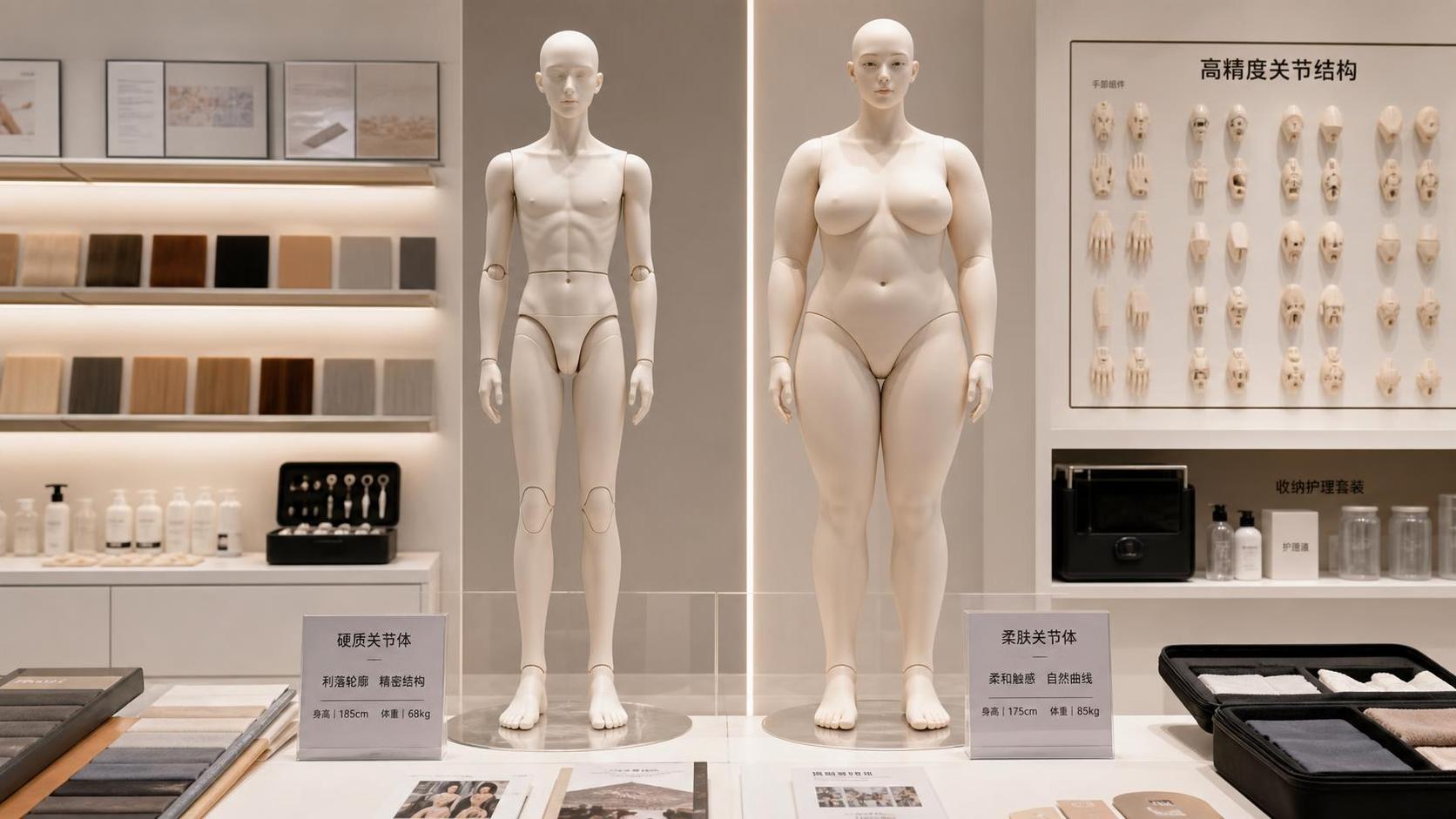
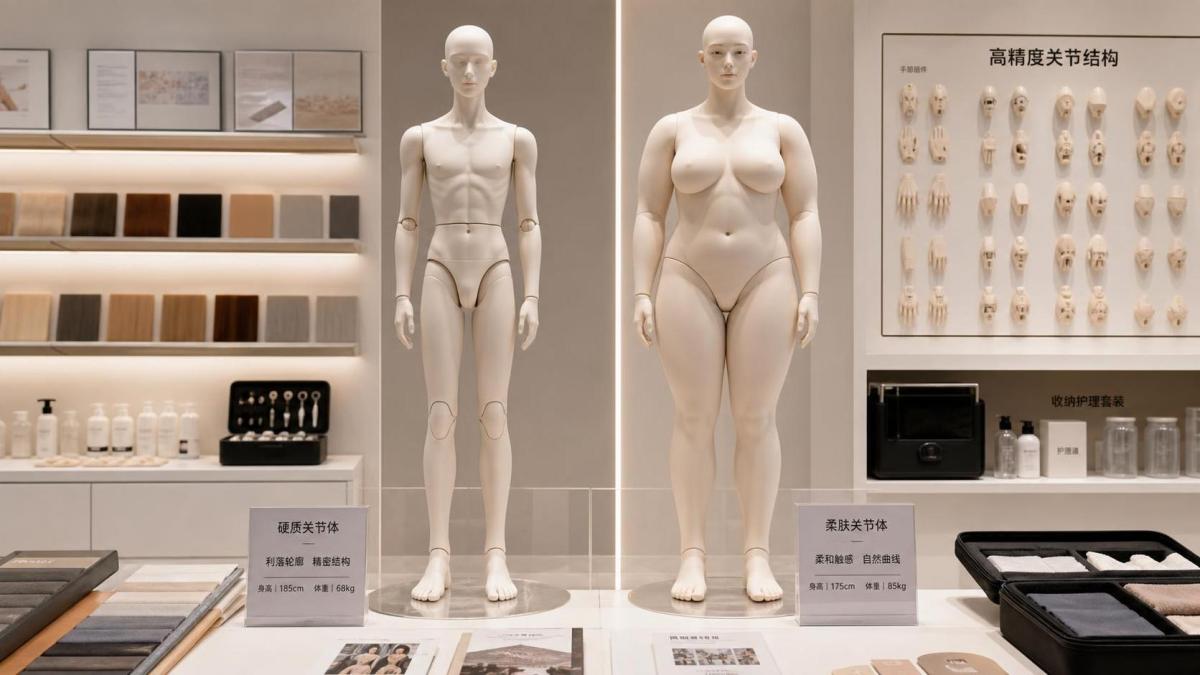
Body type is not just a visual preference. It affects carrying weight, posing balance, storage, and how natural the doll feels in proportion.
Slim body styles are often easier to handle and store. They usually weigh less and can feel more manageable for first-time buyers who do not want a bulky setup.
Curvier realistic dolls may look fuller and more dramatic in shape. They can deliver stronger visual impact, but they are often heavier and may need sturdier internal support.
Petite sizes are practical when space is limited. Full-size realistic dolls often provide stronger realism in posture and body proportion, though they require more effort to move and position.
A useful way to decide is to ignore marketing labels and focus on four points:
- How much storage space is available?
- How much weight feels manageable?
- Do you prefer natural proportions or stylized curves?
- Will the doll be posed often or mostly kept in place?
The more often a doll is repositioned, the more important weight and joint stability become. That is where body type and frame design start to matter as much as appearance.
Which details separate average realistic dolls from better ones?
Once the material and size are clear, the smaller details decide whether realistic dolls still feel satisfying after the first few weeks. This is where many buying regrets begin.
Look closely at facial sculpting. Eyes, lip shape, eyebrow finish, and skin transitions strongly affect realism. Good dolls look balanced in normal lighting, not only in edited product photos.
The skeleton or inner frame matters too. Better realistic dolls should hold poses without feeling loose, unstable, or overly stiff. A weak frame can reduce value even when the outer look is impressive.
Surface finishing is another checkpoint. Pay attention to seam treatment, hand-painted details, finger definition, and nail attachment. These are small cues, but they reveal production discipline.
Hair systems also deserve a closer look. Implanted hair may look more natural, while wigs are easier to replace and maintain. There is no universal winner, only a different maintenance profile.
Buyers often overlook packaging and shipping protection. For exported realistic dolls, careful packing, stable logistics, and clear documentation reduce the risk of damage or customs-related delays.
A quick detail checklist before you decide
- Face looks natural from multiple angles
- Body proportions match your expectation
- Frame movement is smooth and controlled
- Surface finish appears clean and even
- Cleaning and storage needs are clearly explained
- Shipping support and product documents are available when needed
What do buyers most often misunderstand about realistic dolls?
One common mistake is assuming softness equals quality. Soft material can feel attractive at first, but quality also depends on density balance, finishing accuracy, and how the body performs over time.
Another mistake is shopping only by face. Beautiful product images do not confirm frame strength, material consistency, or packaging standards. Better buying decisions come from comparing the full specification.
Some people also underestimate maintenance. Realistic dolls are not difficult to care for, but the routine matters. Material-safe cleaning, complete drying, and proper storage all influence lifespan.
Price can be misleading as well. A lower price may look attractive, yet replacement costs, repair risk, or inconsistent finishing can make the total value weaker in the long run.
Where the doll comes from can affect consistency. Producers with integrated design, molding, hand-sculpting, inspection, and export experience usually manage detail control better than fragmented supply chains.
How should you judge value before placing an order?
The best buying question is not “Which realistic dolls are best?” It is “Which one gives the best match for my priorities?” That shift makes comparison much clearer.
Start by ranking what matters most. Usually that means realism, feel, maintenance, portability, or budget. Once those are in order, many options become easier to eliminate.
Then confirm the practical side. Ask about net weight, standing or posing ability, cleaning guidance, packaging method, and whether the product comes from stable, standardized production.
This matters even for consumer purchases because large-scale, experienced exporters often provide more consistent product information, better packing discipline, and clearer support documents.
A simple decision framework can help:
- Choose silicone realistic dolls if cleaning ease and defined detail rank highest.
- Choose TPE realistic dolls if softness and body feel matter most.
- Choose lighter body types if storage and handling are limiting factors.
- Choose fuller body types if visual presence matters more than portability.
- Choose suppliers with clear inspection, packing, and export support when consistency is important.
In the end, realistic dolls are easier to compare when you stop chasing a perfect option and start checking fit, detail, and upkeep in the same decision.
Before moving forward, write down your preferred material, ideal size, acceptable weight, and care expectations. That short list will usually narrow the field faster than browsing endless photos.
If two realistic dolls still seem close, compare the finer points: joint performance, finish quality, packaging protection, and after-purchase care guidance. Those details often decide which choice holds value longer.
Related Posts
- ▶ How to Evaluate Silicone Dolls: Texture, Durability, Weight, and Maintenance
- ▶ What Types of Adult Products Are Common in Global Wholesale Channels?
- ▶ Adult Product Export Checklist: Documents, Labeling, and Customs Risks to Review
- ▶ Adult Product Compliance Explained: Key Import and Export Requirements by Market
- ▶ Realistic Dolls Buying Guide: Materials, Body Types, and Key Details to Compare
- ▶ Inflatable Dolls vs Silicone Dolls: Which Option Fits Different Buyer Needs?