
What Types of Adult Products Are Common in Global Wholesale Channels?
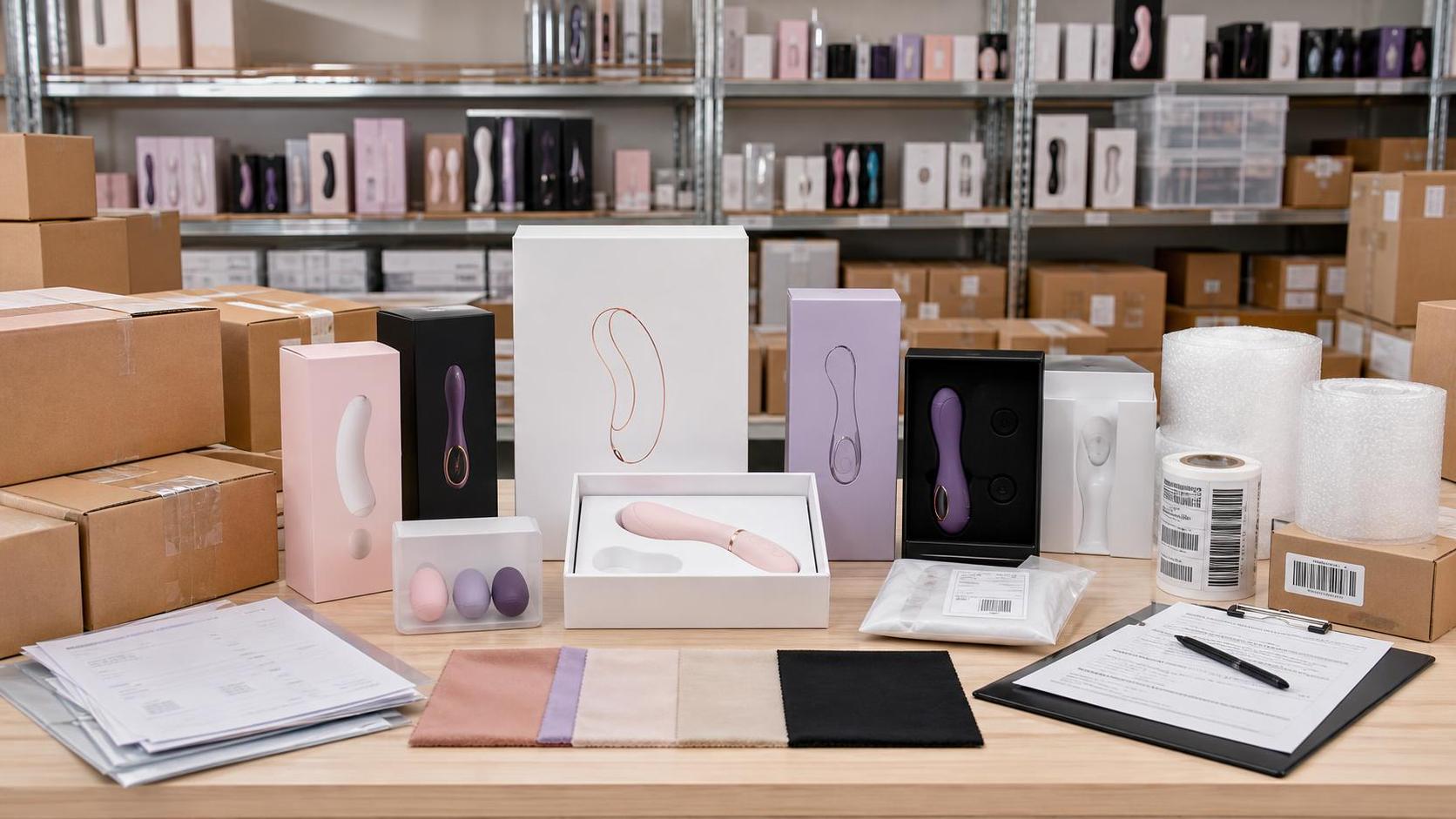
Global wholesale demand for adult products is no longer shaped by a few novelty items. It now reflects broader retail segmentation, stricter compliance expectations, and more diverse consumer preferences across regions.
That shift matters because product choice affects margin, listing approval, repeat orders, and brand positioning. In practical terms, the most common categories in wholesale channels are also the ones that require the clearest sourcing judgment.
From realistic dolls to accessory lines, successful assortments usually combine volume products with differentiated items. The balance depends on market maturity, logistics limits, local regulations, and the level of customization a supplier can support.
The Core Product Groups Seen in Global Trade
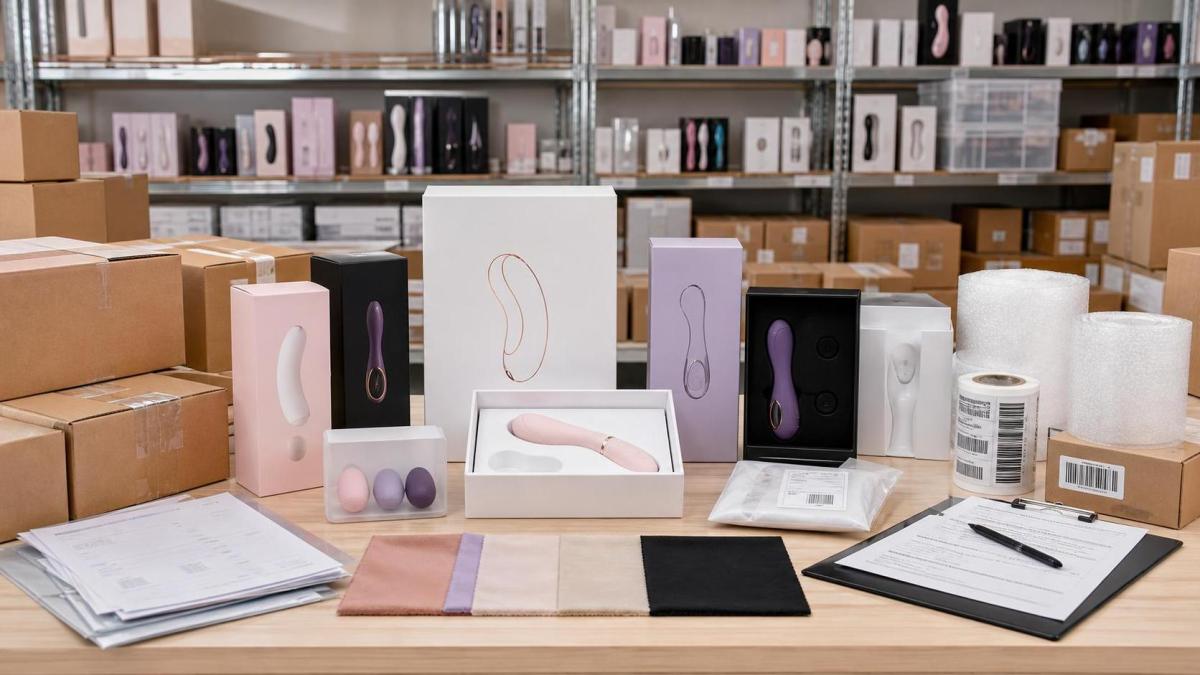
Across major export channels, adult products tend to cluster into a few stable categories. Each category serves a different pricing tier, customer expectation, and fulfillment model.
Realistic silicone dolls
Solid silicone dolls sit in the premium segment. They are known for stronger durability, more refined surface detail, and a higher-end positioning in specialty retail and brand-led catalogs.
In wholesale, these products usually involve more careful evaluation of sculpting quality, finish consistency, packaging protection, and freight planning because unit value is relatively high.
TPE intimate dolls
TPE models are among the most common adult products in global distribution. They often reach a wider buyer base because they offer realistic appearance at a more accessible cost structure.
They also allow more variation in body types, face styles, and configuration options. For many markets, this category supports both standard wholesale and private-label development.
Inflatable models
Heavy-duty inflatable dolls remain relevant because they are lighter, easier to ship, and often suited to entry-level or fast-turn retail channels. They can work well where storage efficiency matters.
This group is usually less about fine craftsmanship and more about seam strength, material stability, inflation performance, and discreet packaging.
Accessories and companion lines
Various adult accessories often complete the wholesale mix. These lines may include maintenance items, replacement parts, packaging upgrades, and complementary intimate products.
Accessory categories matter because they improve basket value and create recurring orders. In many cases, accessories also make it easier to test a market before moving into larger-format products.
Why Category Choice Has Become More Strategic
The global market for adult products has become more structured. Buyers are no longer choosing only by appearance or price. They are also weighing compliance risk, delivery reliability, and product-page sustainability.
In North America and Europe, listing requirements and material transparency are often stricter. In Southeast Asia, product mix may lean more toward value, compact shipping, and faster model turnover.
The Middle East and parts of South America can require extra attention to customs documentation, labeling language, and discreet transport arrangements. That changes which adult products are practical to scale.
This is where a standardized production base becomes important. Large-volume exports are easier to manage when design, mold development, injection molding, hand-finishing, inspection, and logistics are integrated under one system.
How Wholesale Assortments Usually Take Shape
A workable assortment rarely depends on one product alone. More often, adult products are organized by price band, target channel, and replacement cycle.
This structure helps control risk. Premium items build differentiation, mid-range lines support turnover, and accessories create continuity after the first order cycle.
What Buyers Usually Check Before Large Orders
The most common mistake in sourcing adult products is treating every supplier quote as comparable. On paper, products may look similar, while actual production control differs significantly.
Material and process consistency
For realistic dolls, material performance affects feel, durability, cleaning, and returns. Process consistency also determines whether repeat batches match earlier shipments.
Documentation for customs and listings
Packing lists, customs clearance documents, and product testing reports can directly affect delivery time and platform approval. These are not secondary details in international trade.
MOQ and customization path
Some adult products are best sourced as ready-stock wholesale items. Others justify custom logos, packaging changes, design modification, or exclusive mold development when brand strategy is stronger.
- Check whether in-stock products can support quick replenishment.
- Confirm if private labeling includes logo placement and packaging adaptation.
- Review the timeline for pattern development or mold customization.
- Ask how quality control is handled before shipment release.
A supplier with integrated R&D and manufacturing can usually respond faster when a market asks for tailored specifications or upgraded presentation.
Regional Demand Does Not Look the Same Everywhere
Adult products move through global channels, but demand patterns are not uniform. A category that performs well in one region may need a different specification elsewhere.
Higher-income markets often support premium realistic dolls with stronger attention to sculpt quality and finish. Faster-moving e-commerce environments may favor lighter models with simpler logistics.
Offline retail chains may prioritize shelf-ready packaging, barcode standards, and dependable replenishment. Cross-border online sellers often care more about product photography consistency and listing-safe documentation.
That is why the best wholesale strategy starts with channel fit, not only product popularity. Common adult products are useful only when they match local selling conditions.
Private Label and Exclusive Development Are Growing Faster
Another visible change in adult products wholesale is the move from generic resale toward controlled branding. Private-label lines help create clearer differentiation in crowded online and offline markets.
The practical route usually begins with standard models, then expands into custom logos, packaging, design adjustments, or exclusive molds once sell-through data is established.
This approach lowers early risk while preserving room for long-term brand value. It also allows sourcing decisions to be tested against actual reorder behavior rather than assumptions.
A Practical Way to Narrow the Right Mix
When evaluating adult products for wholesale, it helps to narrow the decision through a few concrete lenses rather than chasing the widest catalog.
- Define whether the channel needs premium differentiation, fast volume, or repeatable accessory sales.
- Match product type to freight cost, storage limits, and return risk.
- Check whether documentation supports import clearance and platform listing.
- Separate ready-stock opportunities from projects that need custom development.
- Use sample review to verify craftsmanship, packaging, and consistency before scaling.
The most common adult products in global wholesale channels are not simply the cheapest or the most visible. They are the categories that combine demand stability, production control, and market fit.
A clear next step is to compare product groups by channel requirements, customization potential, and compliance readiness. That usually reveals which assortment deserves volume and which should stay in trial phase.
Related Posts
- ▶ How to Evaluate Silicone Dolls: Texture, Durability, Weight, and Maintenance
- ▶ What Types of Adult Products Are Common in Global Wholesale Channels?
- ▶ Adult Product Export Checklist: Documents, Labeling, and Customs Risks to Review
- ▶ Adult Product Compliance Explained: Key Import and Export Requirements by Market
- ▶ Realistic Dolls Buying Guide: Materials, Body Types, and Key Details to Compare
- ▶ Inflatable Dolls vs Silicone Dolls: Which Option Fits Different Buyer Needs?